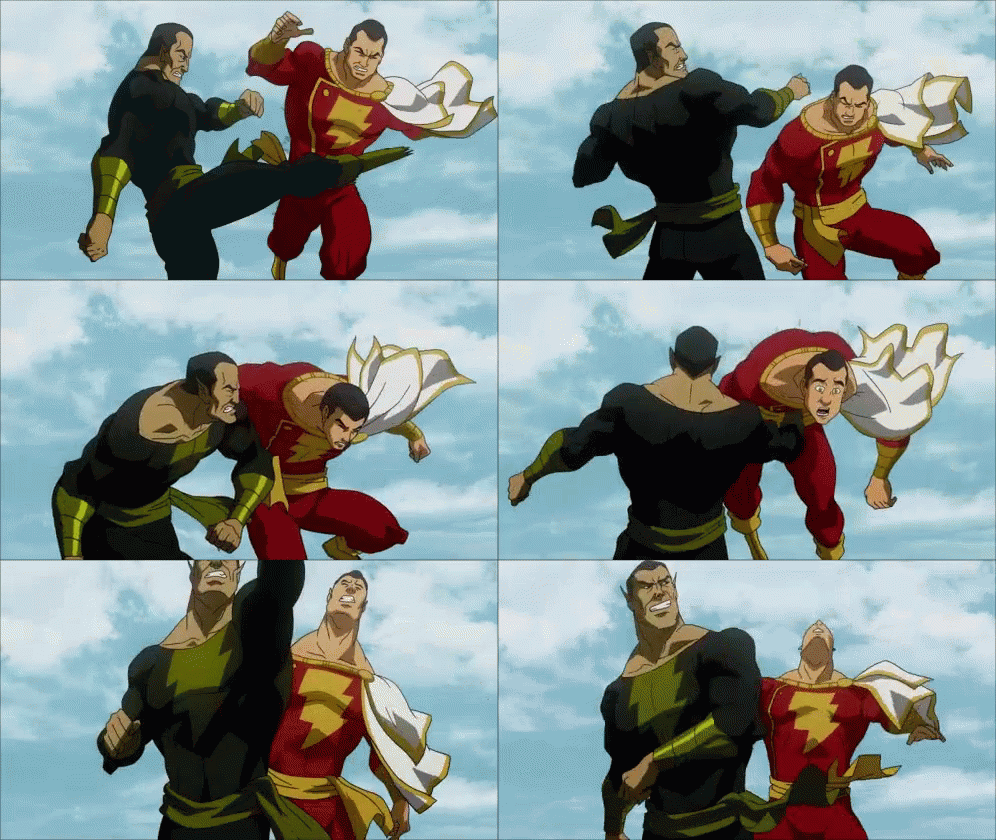
We all like to think of ourselves as the heroes of our own stories.
But life isn’t a movie.
In movies, the narrative is simple — betrayal, heartbreak, setbacks… and yet the hero always finds a way to rise. He fights ten people at once, wins against impossible odds, and walks away with scars that look poetic, not painful.
But in real life, it’s different.
One betrayal can feel like the end of the world.
One heartbreak can make you question everything.
And sometimes, there’s no grand comeback scene — just you, quietly picking up the pieces.
The Perspective Dilemma
Imagine this:
You see a stray dog shivering on the street and, out of compassion, you feed it. In your heart, you’re doing good.
But what if that same dog had bitten a kid earlier?
For the kid’s parents, you’re the enemy, nurturing danger.
Or flip the story — maybe the kid once threw stones at the dog.
For the dog, you’re the hero, its savior.
Same action.
Different perspectives.
Contradictory truths.
Where Empathy Comes In
This is where empathy takes center stage. Not the empathy that demands you agree with everyone, but the kind that lets you understand that others’ truths can coexist with yours.
You can’t control how people perceive you. You can’t ensure you’re always the hero in every story. But you can choose to act with empathy — towards people, towards animals, towards yourself.
Choosing Your Role
At the end of the day, there’s no universal script. There’s only your story, and you get to decide how you want to live it.
Feed the dog if your heart tells you to.
Protect the kid if that’s where your empathy lies.
Speak your truth, even if someone else writes you as the villain.
Because regret doesn’t come from being misunderstood.
It comes from betraying yourself.
So do what you love.
Do it with empathy.
And make peace with the fact that you’ll be someone’s hero, someone’s villain, and, to most, just another passing character.
And that’s perfectly okay.



 MindVault
Leave a comment